The gap was always there
We chose to close it
Skin Kin was born from a simple, urgent truth: women of colour deserve prosthetics that match their skin — not their compromises.
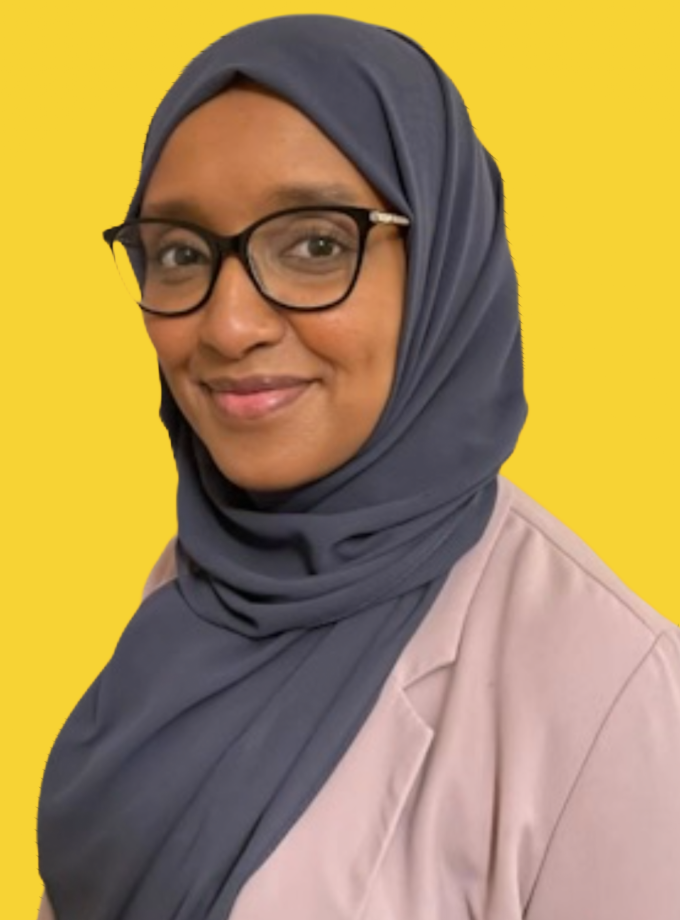
THE FOUNDER
Aisha Amele, CEO
Bringing clinical precision to personalised prosthetics for women of colour
-
Alongside technical expertise, Skin Kin is informed by a deeper understanding of representation and identity.
Aisha’s work is driven by a commitment to creating solutions that not only meet clinical standards, but also reflect the lived experiences of the women they are designed for.
-
Skin Kin is more than a product.
It is a commitment to visibility, wholeness, and the belief that every woman deserves to see herself reflected—without compromise.
-
For many women of colour, finding a breast prosthetic that truly reflects their skin tone is not straightforward.
Standard options often overlook the diversity of real skin tones, offering limited shades that fail to blend naturally. At a time when confidence, identity, and comfort matter most, this gap can feel deeply personal.
Skin Kin was created to address this—thoughtfully and intentionally.
-
We specialise in bespoke silicone breast prosthetics, carefully designed to reflect the individuality of each client.
Every prosthetic is developed with close attention to:
Skin tone matching
Natural shape and contour
Realistic texture and finish
The result is a piece that feels considered, personal, and aligned with you.
-
We understand that this journey is deeply private.
From your first consultation through to delivery, Skin Kin offers a discreet, respectful, and supportive experience, designed around your comfort and preferences.
There is no one-size-fits-all approach—only a process that centres you.
-
Skin tone is not a detail—it is central to identity.
For too long, women of colour have been underserved in areas of healthcare that require both personalisation and sensitivity. At Skin Kin, we believe that every woman deserves access to solutions that reflect who she is, without compromise.
This is about more than aesthetics.
It is about being seen.
-
At Skin Kin, we are committed to:
Delivering high-quality, bespoke prosthetics
Upholding clinical-level standards in every detail
Providing a safe and supportive experience
Advancing representation within prosthetic care
Closing Statement
This is more than a prosthetic.
It is about restoring confidence, honouring identity, and ensuring that every woman feels like herself again
Skin Kin Prosthetics was founded by Aisha Amele, a Biomedical Engineer with extensive experience across the life sciences industry, spanning healthcare, pharmaceutical manufacturing, and medical devices.
With a professional background in Quality Assurance and Regulatory Affairs, Aisha has worked within highly regulated environments where precision, safety, and consistency are non-negotiable.
This foundation shapes every aspect of Skin Kin.
Each prosthetic is developed with a rigorous, detail-oriented approach grounded in:
Clinical-level quality standards
Material integrity and safety
Precision in design and finish
Consistency in production
This ensures that every piece reflects the same level of care and scrutiny expected within regulated healthcare settings.
THE MARKET GAP
Who the industry
has been ignoring
"Women of colour have navigated a prosthetics market built without them. Skin Kin exists to make that the past — not the present."
— Aisha Amele, Skin Kin Founder
No Representation
Every major UK breast form brand offers a "skin tone" range anchored at pale to medium — leaving darker-skinned women without an option that reflects them.
Community left out
Post-mastectomy support spaces have been predominantly white in representation. Skin Kin's community hub is the resource women of colour were waiting for.
Clinical System Gaps
NHS procurement favours established suppliers. Skin Kin is building an NHS-ready offering from day one — without compromising on representation.
THE EVIDENCE
This isn't a perception problem. It's a data problem.
74%
Not offered a match
Black Women Rising's survey of 100 women of colour living with or beyond breast cancer: 74% were never offered a skin-tone matched prosthetic or softie.
1 in 8
Not offered a match UK women affected
1 in 8 women in the UK will be diagnosed with breast cancer. Women of colour are disproportionately diagnosed at later stages, with access to less representative care throughout.
2022
The only precedent
The Nubian Skin x Royal Marsden NHS Trust collaboration was the UK's first inclusive "softies" — in just 4 tones, post-surgery only. No permanent silicone prosthetic equivalent exists.
0
Community leadership without a product
Black Women Rising (founded 2017, 400+ members) has built the UK's most prominent advocacy voice for women of colour with breast cancer — and has partnered with the Royal Marsden, St Bartholomew's, and Gilead Sciences. They are lobbying for exactly what Skin Kin is building. No commercial product exists to match their advocacy.
OUR VALUES
What We Stand For
-
This is what it all comes back to. Every woman who has been through breast surgery deserves to look in the mirror and recognise herself. That’s not a slogan — it’s the reason we exist.
-
What our customers are going through is deeply personal. We never forget that. Every product, every conversation, every touchpoint should make a woman feel respected and cared for — not like a patient number.
-
We’re constantly improving our materials, our fit, our design. But we don’t innovate for the sake of it. We innovate because a woman told us something wasn’t quite right, and we went back to the drawing board.
-
We serve women in the UK, the Gulf, and beyond. What feels right in London may not feel right in Riyadh or Dubai. We pay attention. We ask. We adapt — because one size has never fitted all.
-
Our products are tested, validated, and held to the highest clinical standards. Women trust us with something incredibly important, and we take that responsibility seriously.Our products are tested, validated, and held to the highest clinical standards. Women trust us with something incredibly important, and we take that responsibility seriously.
-
Feeling whole again shouldn’t depend on where you live or what you can afford. We’re committed to making our prosthetics accessible — through the NHS, through private healthcare, and across borders.Feeling whole again shouldn’t depend on where you live or what you can afford. We’re committed to making our prosthetics accessible — through the NHS, through private healthcare, and across borders.